Beans
- Details
- Written by: admin
- Category: Beans
- Hits: 232
How to grow lima beans – from sowing to harvesting
Lima beans (Phaseolus lunatus) are a crop with a rich heritage that has been cultivated for thousands of years. Also known as butter beans, the plants are native to Central and South America and, unsurprisingly, love the heat.
Lima beans come in bush or pole varieties and can be suited to vegetable gardens of all sizes. The beans can be picked fresh or dried for many culinary uses and are high in protein and fiber, as well as rich in nutrients.
You can be spoilt for choice if you want to grow beans in a backyard, with options including French beans, soybeans, kidney beans, black beans, and many more. However, there are real benefits to growing healthy and simple-to-cultivate lima beans, especially if you live in warmer US hardiness zones where plants will thrive in higher temperatures.
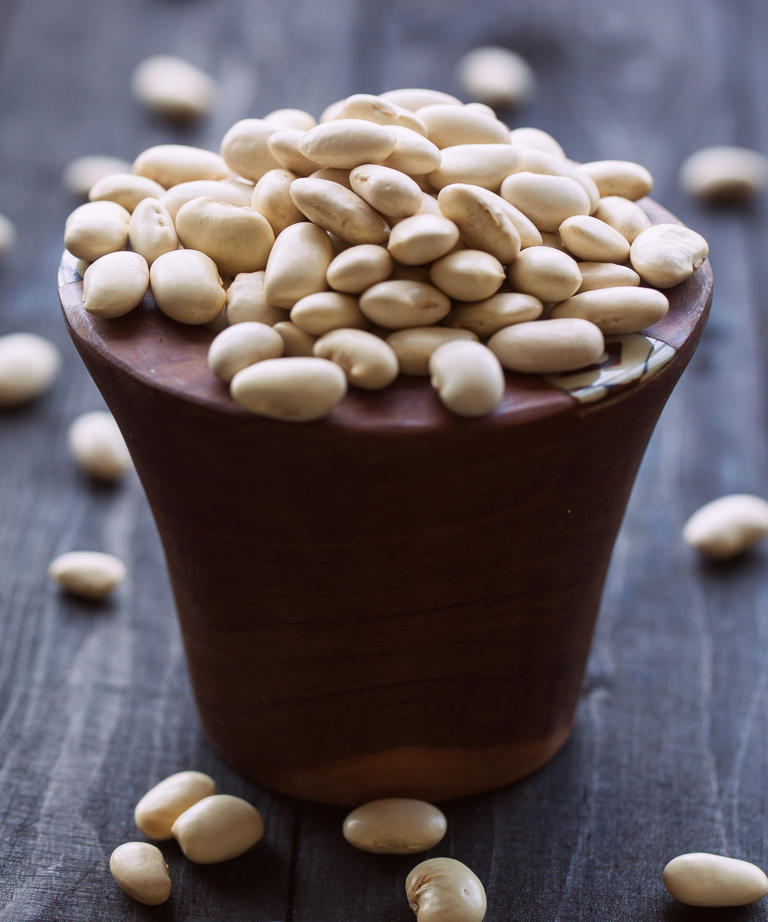
How do you grow lima beans?
The first decision in growing lima bean plants is to decide what type you want to grow, bush or pole varieties.
Bush cultivars grow 1-2 feet in height and width and are ready to harvest earlier. On the other hand, pole types can reach 10-12 feet in height, need support, and have a longer season, though the reward is larger beans. Pole varieties can be ideal for smaller vegetable gardens, as they climb up structures to take up less ground space.
Consider your space and requirements when picking and ordering seeds to decide what type of lima beans will work best for you.
How to grow lima beans from seed
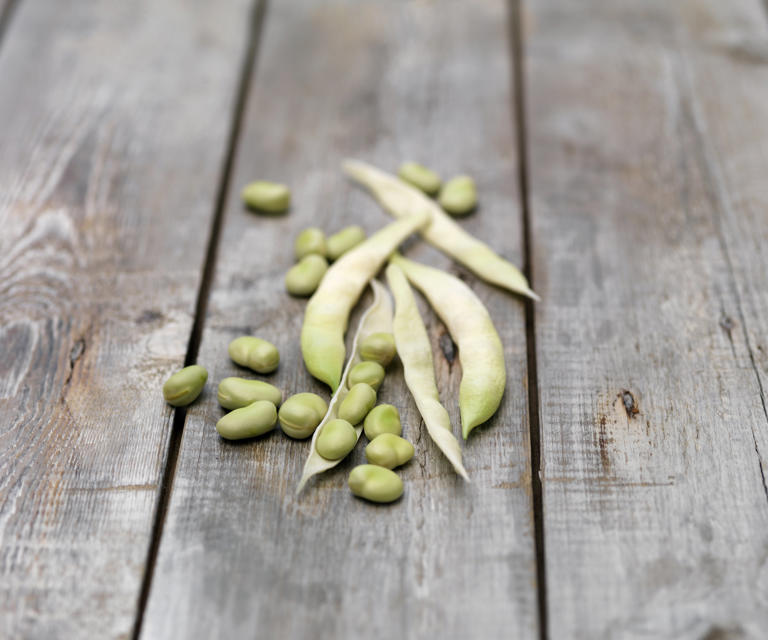
Lima beans are a warm-season crop that needs to be planted once the soil warms up in spring. Warmth is essential for good germination and how fast your soil temperature rises in spring will influence how and when you start to grow lima beans from seed. To bring forward the time to sow, use cloches, horticultural fleece, or cardboard to warm up the soil for a few weeks before sowing.
Growers in warmer climates can sow seeds outdoors directly into the growing position. This has the advantage of less root disturbance, though you may need to protect the beans and seedlings from pests.
‘Lima beans thrive in warmer temperatures so it is best to plant them 3-4 weeks after the last frost when soil temperatures are consistently above 65°F,’ says Rebecca Sears from Ferry-Morse. ‘They should be planted in a sunny location one inch deep and 2-3 inches apart in rows 2-3 feet apart.’
An alternative for those with shorter growing seasons is to sow seeds indoors 2-3 weeks before the last frost. Place the seeds one inch deep into individual pots or large modules filled with good potting soil for starting seeds.
Keep the containers in a warm environment above 65°F, such as a greenhouse or on a warm windowsill, and keep the soil moist but not waterlogged, for good germination. Transplant the seedlings outside once the frosts have ended and the soil has warmed.
Shop lima bean seeds
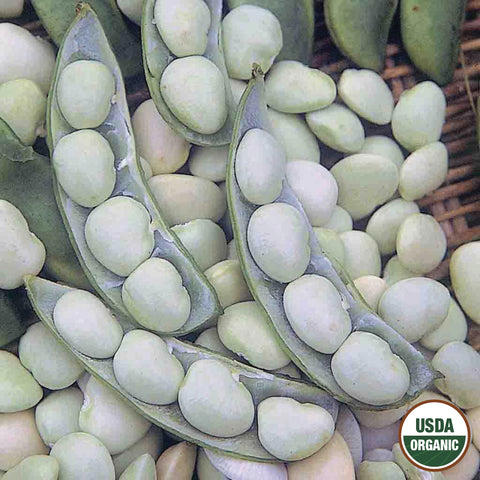
Fordhook Bush is an All-America Selections winning bean variety. The plump pods reach about four inches long, are easy to shell, and have superior flavor.
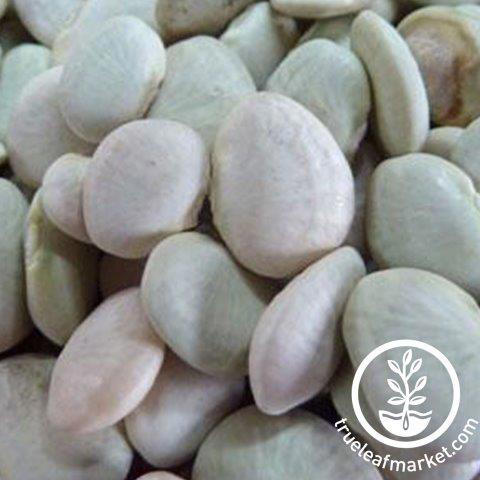
Thorogreen is a baby lima with a delicious buttery taste. This is the earliest producing of all lima beans and an excellent choice for those who have a short growing season.
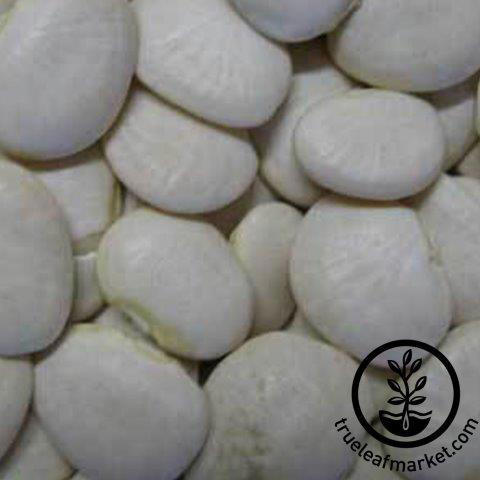
King of the Garden Pole is a variety introduced in 1883 by Frank Platt. The vines are 8-9' tall and are known to yield lots of 8" pods and beans with a rich and creamy taste.
Where to grow lima beans
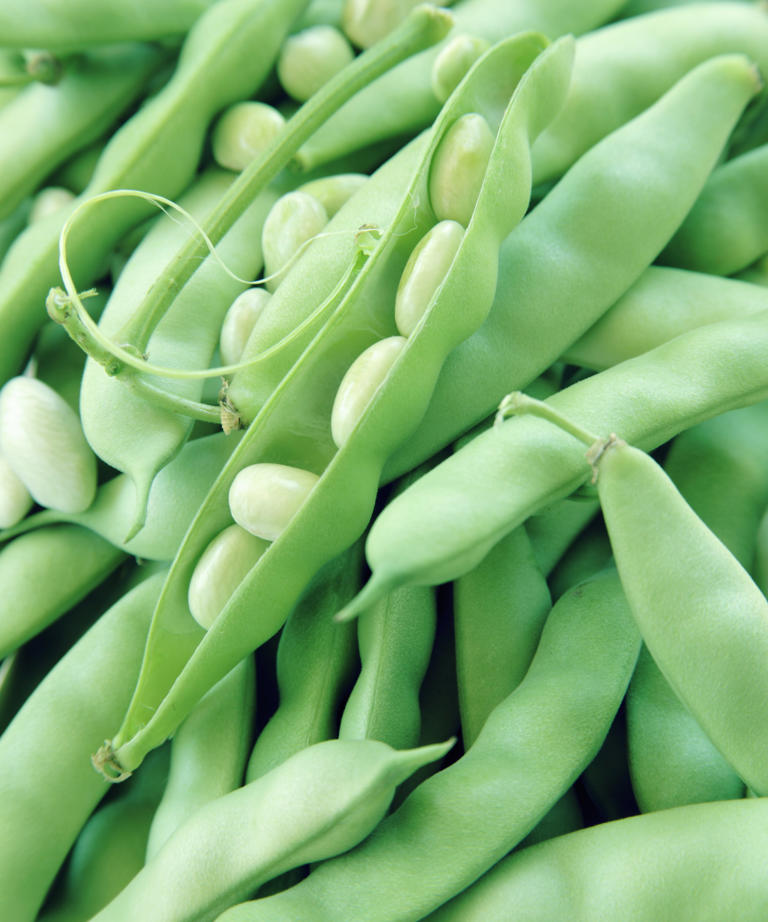
Lima beans thrive in full sun. They are versatile plants and can be grown in the ground in kitchen gardens, raised beds or containers, however, any spot should get at least 6-8 hours of direct sunlight. While lima beans can grow in partial shade, growing the vegetable in shade will result in a smaller harvest of pods.
The crop wants fertile and well-draining soil with a pH of 6.5-6.8. Adding organic matter, including compost or well-rotted manure, will benefit any soil type, as it boosts structure, improves the soil’s moisture-holding capacity, and provides vital nutrients to the crop as it breaks down.
Plant the vegetables at a spacing of six inches in rows spaced at least two feet apart. Pole beans will need strong support, such as a vegetable garden trellis. It is recommended to place that support when planting the crop, otherwise, you risk damaging the plants trying to install it once they have grown larger.
Bush beans can also benefit from a bit of support to keep the plants raised off the ground and the beans away from pests. A good example of supports to use is these tomato cages, available at Amazon.
Care tips for growing lima beans
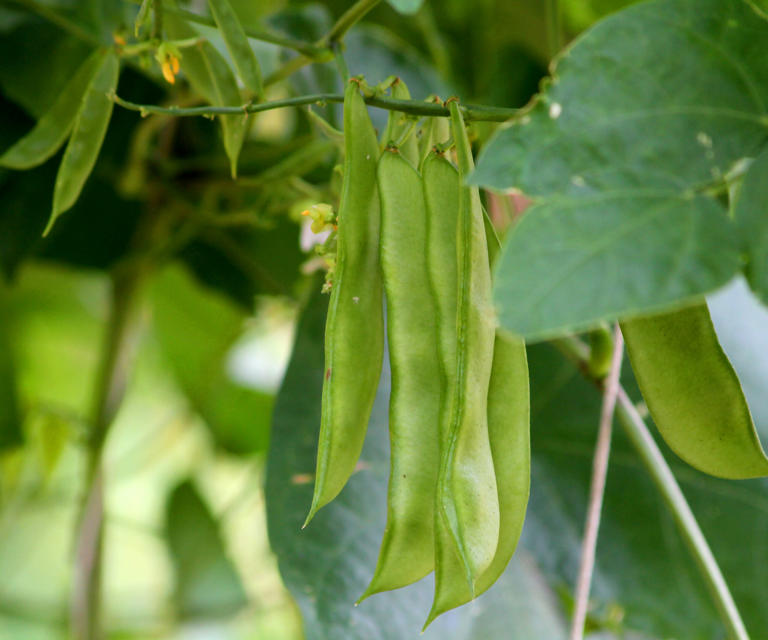
Lima beans are simple crops to maintain, with watering the main task to keep on top of throughout the growing season. Mulching around plants will be an ideal way to retain moisture in the soil and suppress weeds that may compete for water and nutrients.
‘Lima beans should be watered regularly and want to grow in consistently moist, but not soggy soil,’ recommends Ashleigh Smith, managing editor at True Leaf Market. Keeping on top of watering is especially vital when the lima beans are flowering and developing pods.
‘As a member of the legume family, lima beans do not require nitrogen fertilizers and will improve the nutrient quality of the soil in which they grow by fixing nitrogen,’ adds Ashleigh. ‘Adding compost before planting will enrich the soil without feeding too heavily.’
Bush bean varieties will be ready to harvest around 60-80 days after planting, while pole beans take a bit longer at around 80-90 days. ‘Lima beans are ready to be picked when the pods are full, plump, and bright green,’ advises Rebecca Sears. ‘You should pick them before they turn yellow or brown for optimal freshness.’
If you would prefer to harvest dried beans, as opposed to picking fresh beans to shell, let the pods dry on the vine. When the pods turn brown and the beans are dry, it is time to harvest them. Whenever you pick lima beans, take care not to pull too hard on the plant as it is a harvesting mistake that can potentially damage the plants.
FAQs
Can you grow lima beans in a pot?
Lima beans can be grown in pots as part of a vegetable container garden. Any pot needs to be large enough to accommodate the plant, at least one foot wide and deep, and have holes in the bottom for drainage. Fill your chosen container with a quality potting mix, such as this organic potting soil, available on Amazon, and keep a close eye on watering throughout the season.
Can you grow lima beans from the grocery store?
It is possible to germinate plants from dried lima beans bought from the grocery store. Any beans will need to be soaked in water before sowing. To check the viability of any seeds, place them on a moist paper towel in a plastic, sealable storage bag and put them somewhere warm. The seeds may start germinating quickly and indicate they are suitable for planting. The downside to growing from store-bought dried seeds is that you do not know the heritage or variety of the seeds - for example, you won’t know if you are growing bush or pole beans until well into the growing season.
Companion planting will be a beneficial tool in helping to protect your lima bean plant from pests including, but not limited to, aphids, mites, and Mexican bean beetles. The latter can be very troublesome, however, planting marigolds, nasturtiums, or garlic near the beans can repel bean beetles. Alternatively, planting herbs or pollen-rich plants can attract ladybugs to the yard, which will eat the larvae and help reduce the pest population.
Story by