Gardening
- Details
- Written by: admin
- Category: Gardening
- Hits: 240
If you do just one gardening job this winter, make some leaf mould
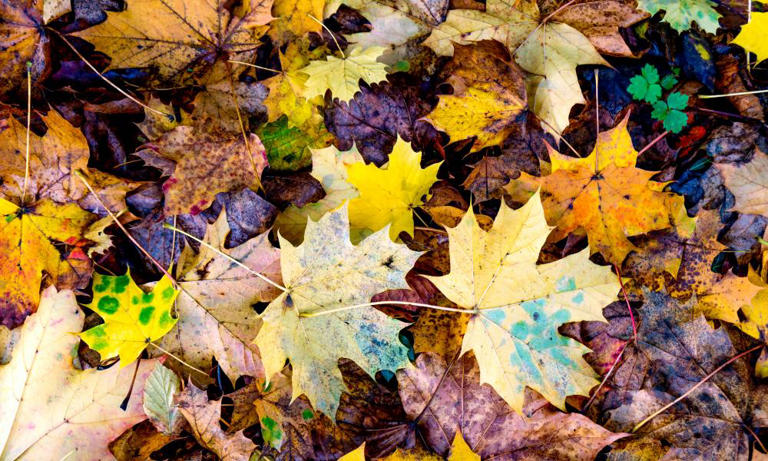
Imoved from a city flat to the countryside as autumn was turning to winter and, unfamiliar with my first garden, was at loss as to what to do. I didn’t know what many of the plants were or what they needed from me, so I resigned myself to a quiet first winter, watching and waiting until spring, when the plants would start emerging again.
I did give myself one task though, and it’s one well worth doing if you have limited energy for gardening in winter: sweeping the leaves that fell off our willow tree and turning them into leaf mould.
Leaf mould is the product of fallen autumn leaves, gathered and left to decompose for at least a year. This mimics the way they are broken down in the soil and enrich it – it’s also low-effort, cost-free and produces a valuable substance for use throughout your garden.
Leaf mould is low-effort, cost-free and produces a valuable substance for use throughout the garden
The most straightforward method for producing leaf mould is simply to place leaves in reusable bags (I used bin bags left over from the move), with holes pierced in them for airflow, then tucking them out of the way.
Most autumns, I find the leaves are wet enough from the rain but if the leaves you’ve collected are dry, dampen them before putting them in your bags.
If you have the space and want to make a more substantial amount of leaf mould, you can build a simple bin by hammering four wooden stakes into the ground and wrapping chicken wire around them, then filling it with leaves as you gather them.
Willow, oak and cherry leaves break down readily, but the thicker leaves of trees such as sycamore and walnut benefit from being shredded first, as they take a long time to break down when left whole. Pine needles can also be turned into leaf mould, but what they produce is acidic (ideal for plants like blueberries that need ericaceous soil), so they are best kept separate. I gather my leaves from the paths and rake them off the grass, but I always leave those that have fallen on to the soil to break down in situ.
Related: Dividing your plants is a great way to garden more frugally
The decomposition process that leaves undergo is different from what happens in a compost heap. Unlike the relatively quick bacterial activity responsible for breaking down plant matter for compost, leaves are rotted down by fungi, in a far slower, cooler process. You can nudge this process along by keeping your leaf mould moist and aerating it from time to time.
Leaf mould can be used after just one year but it will be quite chunky and best used as a soil-improving mulch. It’s more versatile when it’s dark and crumbly – after two years, at least – and can be sieved and mixed with sharp sand for homemade seed compost or mixed with garden compost to make potting compost.
Story by Claire Ratinon The Guardian