Story by Niamh Kirk: Mirror
Condensation
- Details
- Written by: admin
- Category: Condensation
- Hits: 181
The one rule to follow to prevent condensation build up - even on double glazing
There is one golden rule to follow to stop condensation© Getty Images/iStockphoto
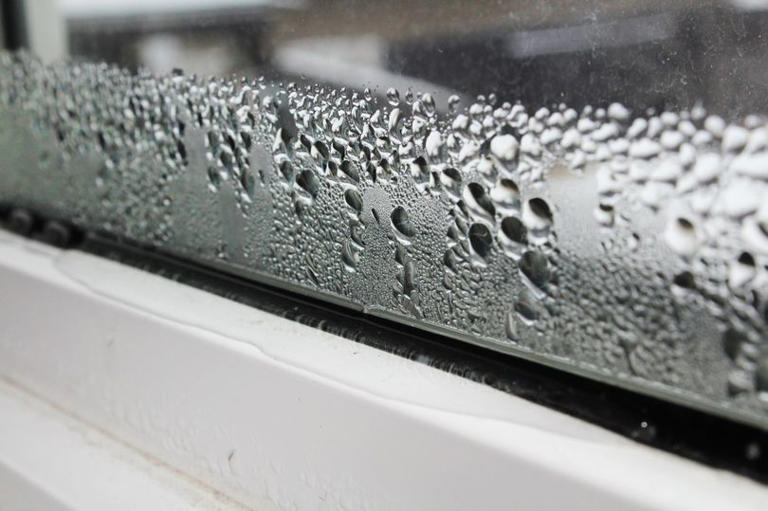
As the cold weather looms, Brits will notice the build-up of condensation on their windows each morning - but there's one rule to stick by to avoid it happening.
Even though condensation doesn't seem like a big deal, the tiny water droplets can cause havoc if not treated properly and can lead to nasty mould growth on your windows which can cause a whole host of health issues. Condensation happens when the cool air outside hits the window and meets the warmer air inside - mostly in the bedroom. While double glazing can help, it's not going to banish it completely explained Allan Reid, the founder of Art Windows and Doors who claimed there is one important rule all homeowners should follow.
"While double glazing is effective in preventing some condensation, the colder conditions can, unfortunately, bring mould regardless. Whether you have single, double or triple-glazed windows, proper ventilation is always the best way to reduce condensation," the expert explained to The Star.
Other top tips Allan shared included replacing the air-tight seal between the layers of glass to "prevent water vapour". If the seal fails, it means there is no insulation and can lead to "draughts and chilly air". To replace the seal, the expert said they only cost £5-£10 per window.
Another tip Allan shared was to keep an eye on the paintwork around the window. If the paint starts to "chip, bulge or flake" it could be showing signs of condensation. "Whether moisture is trapped underneath the paint or the varnish begins sweating during the colder months, this can exacerbate condensation problems further. In addition, paint can often hide dampness, which is caused by condensation. By ignoring the flaking paint and continuing to replace it, you avoid treating the problem, allowing it to worsen."
To help avoid condensation forming, Allen suggested purchasing an extractor fan. He explained: "You can install an extractor fan directly into a double-glazed window (and even single-glazed windows) for a significant reduction in condensation. This is particularly effective for rooms prone to steaming, such as kitchens and bathrooms, with cooking and showering leading to an increase in water vapour." There is also the option of trickle vents which "aid the circulation of air" in your home which can help to reduce mould, condensation and dampness.
The expert also advised getting additional glazing which could also help to increase warmth. Allan stated that triple glazing is 40 per cent more "thermally efficient" than most uPVC double glazing.
- Details
- Written by: admin
- Category: Condensation
- Hits: 233
Four common mistakes to avoid when getting rid of mould
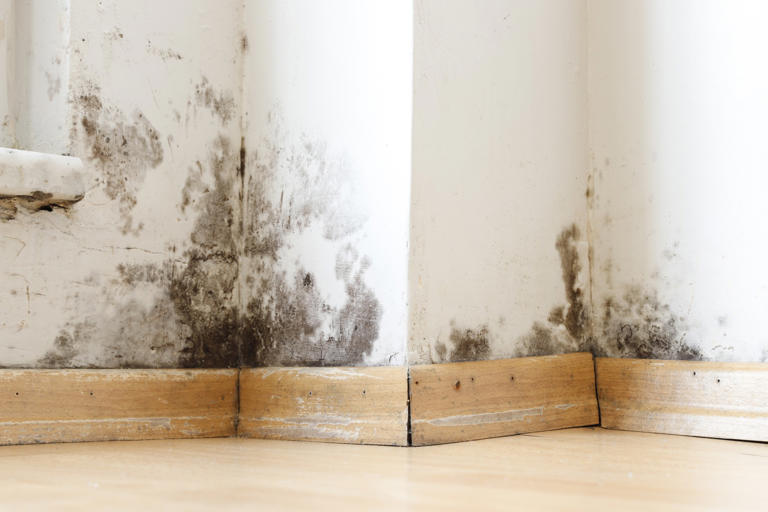
Finding mould in your home is grim – and the obvious solutions don’t always work .
Finding mould in your home is unpleasant – and a health hazard.
The spores from mould and mildew are airborne and can get into your lungs, and even the less toxic ones cause problems for people with asthma and allergies.
According to the NHS, moulds produce allergens, irritants and, sometimes, toxic substances.
Inhaling or touching mould spores may cause an allergic reaction, such as sneezing, a runny nose, red eyes and skin rash. Moulds can also cause asthma attacks.
So when you come across a patch of mould, it’s easy to raid the cupboard under the sink and try and attack it with whatever cleaning product you can find.
This isn’t always a good idea.
Let’s find out why.
Common mistakes when treating mould
Using bleach
Drenching the wall in a bleach solution seems like a no-brainer. Surely that will kill it off?
Sadly, no.

Don’t reach for the bleach (Picture: Getty Images)© Provided by Metro
Bleach doesn’t kill the spores, so removing mould with a solution of bleach and water can allow it to regrow even faster, according to cleaning product manufacturers VitalOxide.
It adds: ‘Prolonged exposure to bleach only makes indoor air quality worse and could potentially cause symptoms like respiratory irritation, blurred vision, watery eyes, and nausea, among others.’
Inhaling or touching mould spores may cause an allergic reaction, such as sneezing, a runny nose, red eyes and skin rash. Moulds can also cause asthma attacks.
So when you come across a patch of mould, it’s easy to raid the cupboard under the sink and try and attack it with whatever cleaning product you can find.
This isn’t always a good idea.
Let’s find out why.
Bleach doesn’t kill the spores, so removing mould with a solution of bleach and water can allow it to regrow even faster, according to cleaning product manufacturers VitalOxide.
It adds: ‘Prolonged exposure to bleach only makes indoor air quality worse and could potentially cause symptoms like respiratory irritation, blurred vision, watery eyes, and nausea, among others.’
Choose an antimicrobial cleaner instead designed to kill mould, or use white vinegar.
Spray the vinegar on the mould and leave it for an hour. Then, either rinse the area or – if needed – scrub it with one teaspoon of baking soda dissolved in two cups of water.
Painting over it
Whipping out the paint brush and slapping a thick layer over the mouldy area is tempting.

Painting straight on to mould isn’t the answer (Picture: Getty Images)© Provided by Metro
It’s also a terrible idea, as the mould will just grow back through it.
Your best bet is to clean the area, as explained above, and then use special anti-mould paint.
Doing nothing
Yes, this is very tempting, especially if the mould gets a bit better in summer. But it’s a bad idea.

Ignore that mould at your peril (Picture: Getty Images/iStockphoto)© Provided by Metro
Mould is caused by excess humidity, whch can be from showers, drying your clothes, leaking pipes, condensation, rising damp in basements or ground floors, or rain seeping in because of damage to the roof or around window frames.
A newly built home may be damp if the water used when building it is still drying out – for example, in the plaster on the walls.
Otherwise the mould could flare up with a vengeance.
Which people are most susceptible to the affects of mould?
Those who are more sensitive to its effects include:
- Babies and children
- Older people
- Those with existing skin problems, such as atopic eczema
- Those with respiratory problems, such as allergies and asthma
- Those with a weakened immune system, such as those having chemotherapy
Trying to save very mouldy items
According to experts DKI Services, while mould can be successfully removed from non-porous surfaces such as glass, metal and porcelain, it penetrates soft materials.
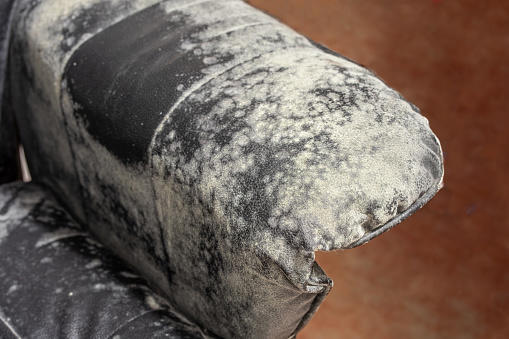
When mould gets hold, it’s best to bin the affected item (Picture: Getty Images/iStockphoto)© Provided by Metro
These include carpet, upholstery, insulation, drywall and wood.
The advice is: ‘In general, you must dispose of these items if they are severely damaged.’
Otherwise the spores will just spread.
Story by Natalie Tambini: Metro
- Details
- Written by: admin
- Category: Condensation
- Hits: 411
Condensation expert shares 'first warning sign' of mould to watch out for
Everyone knows what a pain condensation can be, especially at this time of the year. Caused by excess moisture, condensation is often harmless. But it can cause to serious problems for you and your home if it persists or leads to damage.
Complications include peeling wallpaper, damp walls and mould, which could go to on to affect your health. As such, it is important to be on the lookout for any troublesome condensation so you can treat it as quickly as possible. Thankfully, a condensation expert has revealed one of the most common warning signs to first appear - and explained what you should do
According to Allan Reid, Double Glazing Expert & Founder at Art Windows & Doors, homeowners ought to investigate any musty smells, as an unexplained odour could be a sign of problems to come.
Talking to the Mirror, he explained: "Before mould appears, a musty odour is often the first warning sign of a condensation problem. You should make sure to examine any problem areas, such as clean, closed and dark spaces to assess any excess condensation, with rooms like bathrooms, kitchens and areas with laundry equipment most prone to mould."
Sharing advice, he added: "If you notice a room that feels particularly draughty or has excessive condensation on windows, try to ventilate the space as much as possible. Regularly dusting the space, running a dehumidifier and adding houseplants may also help."
Equally, if you spot condensation gathering around any skylights this could be a 'red flag'. Moist air rises upward, meaning condensation is 'naturally more visible on skylights', according to the expert, and it does not always spell disaster. It's most definitely something homeowners should watch out for, though.
"If you are already taking steps to prevent condensation, such as airing out your home, using a dehumidifier and using extractor fans, you should not be experiencing condensation on your skylights," said Mr Reid. "If condensation continues to appear, this could suggest that your home is not adequately insulated. You should contact a condensation specialist, who will be able to help."
Reference: Mirror: Story by Amber O'Connor